How to Tackle Supply Chain Emissions with Carbon Accounting Software
Blogs
Supply Chain
January 28, 2026

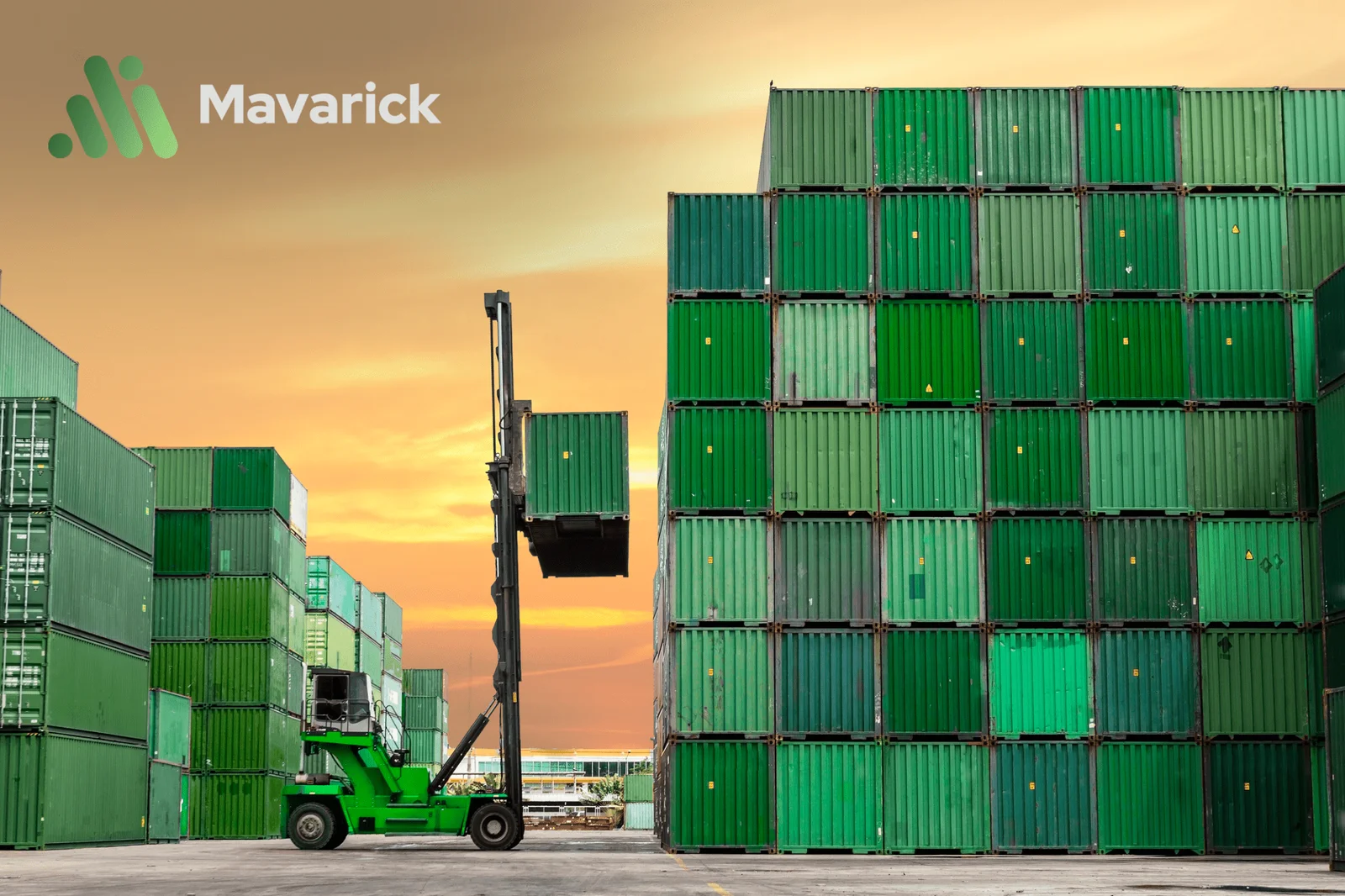

What if the key to meaningful carbon reduction lies in how you measure, manage, and report the emissions across your supply chain? With more than 80% of a company’s total greenhouse gas emissions stemming from supply chain activities, it’s clear that addressing these emissions is crucial for developing effective carbon reduction strategies. Did you know? According to the World Economic Forum, eight supply chains across major industries account for more than 50% of global greenhouse gas emissions. This significant contribution underscores the critical need for businesses to address supply chain emissions in their sustainability strategies. The reason behind these alarming numbers lies in the complexity of modern supply chains. From raw material sourcing to final delivery, every stage leaves a carbon footprint. With rising consumer demand for transparency and stricter environmental regulations, companies can no longer ignore their role in addressing supply chain emissions. The call for accountability has never been louder. But tackling supply chain emissions isn't easy. The decentralised nature of supply networks, data inconsistencies, and lack of standardised frameworks make carbon reporting a daunting task. Businesses must navigate these challenges to meet regulatory requirements, align with environmental, social, and governance (ESG) goals, and stay competitive in a rapidly evolving market. So, how can organisations rise to this challenge while driving meaningful change? Let's dive into the basics to understand it better!
Supply chain emissions refer to the greenhouse gas (GHG) emissions generated throughout the entire lifecycle of a product or service, from sourcing raw materials to manufacturing, transportation, and delivery. These emissions are often classified as Scope 3 emissions, encompassing the indirect environmental impact of a company’s operations that occur outside its direct control but within its value chain. A more formal definition comes from the Science Based Targets initiative (SBTi): "Supply chain emissions include all indirect upstream and downstream greenhouse gas emissions resulting from an organisation’s operations, including emissions from purchased goods and services, transportation, waste, and end-of-life treatment of sold products." For a comprehensive view of sustainability and carbon reporting, see Sustainability & Carbon Reporting in Manufacturing.
Tackling carbon footprints begins with better visibility and optimisation across supply chain operations. For example, IBM leverages advanced technologies like AI and blockchain to enhance supply chain transparency and optimise processes. By tracking emissions at every stage, IBM helps companies identify inefficiencies and transition to greener practices, such as sustainable sourcing and energy-efficient logistics, ultimately reducing their carbon footprint (source).
A resilient supply chain not only withstands disruptions but adapts to emerging environmental challenges. The Chartered Institute of Procurement & Supply (CIPS) advocates sustainability as a cornerstone of risk management. CIPS emphasises that integrating eco-friendly practices, such as using renewable materials and fostering supplier collaboration, not only mitigates environmental risks but also strengthens supply chain resilience against climate-related disruptions. Learn how data quality in carbon accounting plays a pivotal role in managing risks effectively.
Sustainability isn’t just about reducing impact; it’s also a driver of trust and profitability. The Forest Stewardship Council (FSC) works with businesses to integrate sustainability certifications within their supply chains. By promoting responsible sourcing and sustainable forestry practices, FSC enables companies to meet consumer demand for transparency and sustainability, enhancing brand loyalty and attracting ethical investors. Discover strategies to improve supplier engagement and drive sustainable growth in your supply chai
Reducing supply chain emissions is a strategic priority for businesses aiming to meet sustainability targets while gaining a competitive edge in a carbon-conscious market.
Streamlining transportation routes and switching to greener modes like electric or hybrid vehicles can significantly cut emissions. Collaborative logistics and digital tools also help minimise fuel consumption and optimise delivery schedules.
Partnering with suppliers that prioritise sustainable practices reduces upstream emissions. Look for certifications like FSC or Fair Trade to ensure the materials meet environmental standards. Discover more on enhancing collaboration with suppliers through our descriptive blog on supplier engagement strategies.
Upgrading equipment, using renewable energy, and implementing energy management systems can significantly lower operational emissions. To explore practical approaches, check out our guide on energy efficiency in manufacturing.
Reusing materials and designing products for recyclability minimises waste and lower production-related emissions. Circular practices not only reduce carbon footprints but also improve overall resource efficiency. For example, adopting circular economy strategies can lead to significant reductions in greenhouse gas emissions.
Tracking and managing supply chain emissions is essential for sustainability. Implementing carbon accounting tools ensures accuracy and compliance with global standards. For tips on aligning your strategy, read about organisational boundaries in carbon reporting.
Scope 3 emissions cover all indirect greenhouse gas emissions across a company’s entire value chain. This includes upstream activities like purchased goods and services, as well as downstream activities such as product use and disposal. Essentially, Scope 3 looks at the bigger picture of a company’s environmental impact. Supply chain emissions, however, are a subset of Scope 3 emissions. They focus only on upstream emissions generated during material sourcing, manufacturing, and transportation by suppliers and logistics partners. Unlike Scope 3, supply chain emissions don’t include downstream activities like end-of-life products or customer use. Understanding this difference is crucial because it helps companies target high-impact areas for carbon reduction. To learn more, explore our insights on Scope 3 carbon emissions and supply chain.
Reporting Scope 3 and supply chain carbon emissions presents several significant challenges for organisations striving to achieve comprehensive sustainability. Here are five key obstacles:
Gathering accurate and complete data from a vast network of suppliers is a daunting task. Many suppliers may lack the resources or expertise to provide precise emissions data, leading to inconsistencies and gaps.
The absence of universally accepted standards for measuring and reporting emissions complicates comparisons and assessments across industries. This lack of standardisation can lead to discrepancies in reporting and hinder efforts to benchmark performance.
Encouraging suppliers to participate in emissions reporting requires significant effort. Suppliers may be reluctant to share data due to confidentiality concerns or may lack the necessary infrastructure to track emissions.
The process of tracking and reporting Scope 3 emissions is resource-intensive, often requiring dedicated teams and advanced tools. This can be particularly challenging for small and medium-sized enterprises with limited resources.
Navigating the evolving landscape of regulations and reporting frameworks adds complexity to emissions reporting. Companies must stay abreast of changes to ensure compliance, which can be challenging given the dynamic nature of environmental regulations. Addressing these challenges requires a concerted effort to improve data quality, standardised reporting practices, engage suppliers effectively, allocate necessary resources, and stay informed about regulatory developments.
Certain industries are known to have supply chains with exceptionally high greenhouse gas (GHG) emissions due to their processes, raw material requirements, and global operations. Here are the most polluted supply chains.
The oil and gas sector are major emitters of GHGs. In 2022, global oil and gas operations produced approximately 5.1 billion metric tons of carbon dioxide equivalent (CO₂). Upstream and downstream methane emissions accounted for nearly half of this total.
Agricultural activities are responsible for a significant portion of global emissions. In 2020, global agrifood systems emissions were estimated at 16 billion tonnes of CO₂, marking a 9% increase since 2000.
The fashion industry contributes substantially to environmental pollution. It is estimated that the global fashion industry accounts for about 10% of total global carbon emissions, surpassing the emissions from international flights and maritime shipping combined.
The production and disposal of electronic devices has significant environmental impacts. E-waste generation reached 53.6 million metric tons in 2019, with only 17.4% being recycled properly, leading to substantial emissions from improper disposal and resource extraction.
The extraction and processing of metals are energy-intensive processes. For instance, steel production alone is responsible for approximately 7% of global CO₂ emissions, primarily due to the energy required for iron ore reduction and steel manufacturing.
Vehicle manufacturing and associated supply chains contribute notably to emissions. The automotive sector is responsible for about 9% of global GHG emissions, considering both production processes and the supply chain for parts and components. Addressing emissions in these sectors is crucial for global efforts to mitigate climate change. Implementing sustainable practices and leveraging carbon accounting tools can help industries reduce their environmental impact.
Even if your suppliers comply promptly with carbon emissions data requests, you’re going to have to spend some time validating and approving their submissions. There are 15 different categories of Scope 3 carbon emissions, and many of them require reporting in specific formats. Have your suppliers provided emissions data for all required categories of reporting? Have they provided carbon emissions data in the format required for compliance? If it's a no, here’s how businesses can approach this:
Why It Matters
Validations and approvals are crucial for transparency and compliance with regulatory requirements. Reliable supplier data not only builds trust but also supports strategic decision-making for emissions reduction and sustainability initiatives.
Effectively managing and validating supplier emissions is crucial for businesses aiming to enhance sustainability and ensure compliance. Carbon accounting software offers several advantages in this regard:
These platforms consolidate supplier emissions data into a single system, facilitating easier tracking and analysis. Real-time updates enable businesses to monitor supplier performance seamlessly.
Software automates emissions calculations based on recognised standards like the GHG Protocol, ensuring accuracy and consistency. This automation reduces manual workload and minimises errors. For instance, Mavarick's platform provides automated data collection and standardised calculations, aligning with global standards such as the GHG Protocol and ISO 14064.
Intuitive dashboards offer clear insights into emissions trends, helping businesses identify high-emission areas and prioritise actions. These insights drive informed decision-making for both suppliers and the business.
Carbon accounting tools align with regulatory frameworks such as CSRD, GHG Protocol, and ISO standards, ensuring compliance and facilitating confident report submissions.
Advanced modelling features allow companies to test different strategies for emissions reduction and predict their outcomes. This enables businesses to adopt effective solutions that align with their sustainability targets. Mavarick's platform offers AI-driven tools for emissions reduction, providing insights and recommendations to help businesses achieve their decarbonistion goals.
The software simplifies supplier onboarding by providing tools for emissions tracking and reporting, enhancing collaboration and ensuring alignment with sustainability goals.
Built-in validation tools ensure supplier data is accurate and compliant with global standards. Audit trails provide transparency, fostering trust among stakeholders and regulatory bodies. Mavarick's platform maintains a full audit trail for every calculation and data entry, ensuring reports are fully verifiable during audits or regulatory reviews.
Mavarick offers comprehensive solutions to enhance the sustainability of your supply chain through advanced carbon accounting and management tools. Here's how Mavarick can assist:
Mavarick's supply chain and scope 3 emissions tracker enables precise monitoring of Scope 1, 2, and 3 emissions across your supply chain, providing a clear understanding of your carbon footprint.
The platform facilitates effective communication with suppliers, promoting transparency and collaboration to achieve shared sustainability goals.
Mavarick’ regulatory emission reporting software ensures alignment with global reporting frameworks such as the GHG Protocol and CSRD, simplifying the compliance process.
The platform's carbon emissions data quality and capture feature emphasises high-quality data collection and validation, ensuring the reliability of your emissions reporting.
Mavarick provides insights and recommendations to identify emission hotspots and implement effective reduction strategies within your supply chain.
Sustainability in supply chains is no longer just a compliance requirement—it’s a critical opportunity to drive innovation, reduce costs, and build trust with stakeholders. By addressing supply chain emissions, businesses can unlock significant environmental and economic benefits while positioning themselves as leaders in the fight against climate change. The journey toward a sustainable supply chain requires collaboration, the right tools, and a commitment to long-term impact. Contact Mavarick today to explore how our cutting-edge solutions can simplify emissions tracking, improve supplier engagement, and transform your supply chain into a sustainable powerhouse.
AI-driven emissions reduction delivering smarter operations and proven savings.
.svg)
.svg)
.svg)
.svg)
AI-driven emissions reduction delivering smarter operations and proven savings.
.svg)