Energy Management Systems – A Complete Guide
Blogs
Energy Management
December 18, 2025

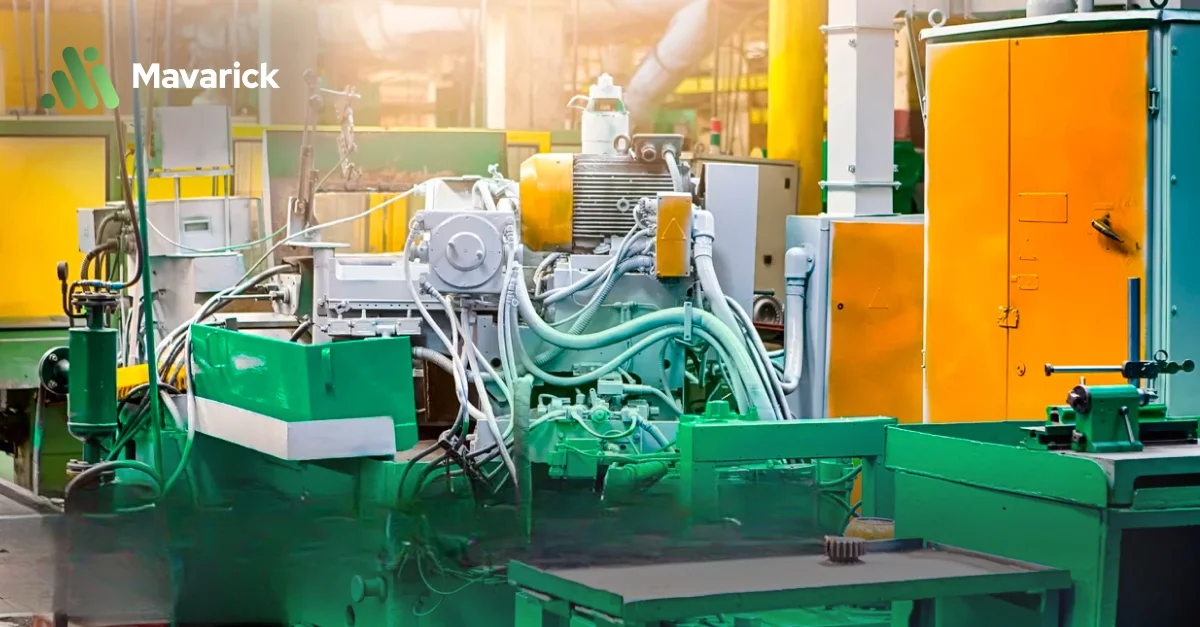

As businesses grapple with rising energy costs and stricter emissions standards, adopting EMS has become essential. These systems help organisations monitor and optimise their energy consumption and significantly reduce their carbon footprint, enabling compliance with carbon emissions reporting frameworks and fostering the transition to renewable energy sources.
Did you know?
The potential of EMS is reflected in its rapid market growth. The global Energy Management System market was valued at USD 31.76 billion in 2023 and is projected to grow to an impressive USD 112.32 billion by 2032, with a compound annual growth rate (CAGR) of 15.3%.
This trajectory highlights the increasing reliance on EMS to not only enhance efficiency but also tackle critical issues like carbon emissions, regulatory compliance, and the adoption of renewable energy sources.
For manufacturers, in particular, the integration of energy management systems in manufacturing is transformative. By streamlining processes, reducing CO2 emissions from fossil fuel combustion, and supporting greenhouse gas reduction goals, EMS are paving the way for sustainable industrial practices.
Whether you’re looking to lower costs, meet regulatory requirements, or align with global sustainability goals, EMS offer a powerful, data-driven solution.
Let's delve in!
An Energy Management System (EMS) is a strategic framework or software solution designed to monitor, control, and optimise energy consumption in real time. EMS provides organisations with actionable insights to improve energy efficiency, reduce costs, and achieve sustainability goals. EMS empowers businesses to proactively manage their energy usage from large-scale manufacturing facilities to office buildings while minimising their environmental impact.
There are different ways to analyse and understand energy usage in manufacturing. Below is a list of common ways that manufacturers analyse energy usage. These terms and their definitions may seem rudimentary, but using precise terms can help ensure your team communicates effectively.
EMS plays a critical role in tracking and analysing energy consumption, enabling businesses to pinpoint inefficiencies and implement corrective measures. For instance, an EMS can reduce energy waste in manufacturing by automating shutdowns during idle times or optimising production schedules. These insights lead to tangible benefits, such as lower operational costs and improved compliance with energy efficiency standards.
So, now the question is how does EMS help in carbon reduction?
Implementing an EMS not only optimises energy performance but also positions businesses as leaders in energy efficiency and sustainability.
Implementing an Energy Management System (EMS) offers numerous advantages that enhance operational efficiency and sustainability. Key benefits include:
While Energy Management Systems (EMS) offer immense benefits, their implementation can pose several challenges. Recognising these obstacles and addressing them strategically ensures a smoother transition to energy-efficient operations.
Leverage subsidies and tax breaks designed to promote energy efficiency. For instance, the EU offers funding schemes like the Horizon Europe program to support sustainable projects, which can offset EMS implementation costs.
A phased approach to EMS implementation, starting with an energy audit, ensures a better understanding of existing systems and paves the way for seamless integration.
Positioning EMS as a tool to achieve regulatory compliance, reduce carbon emissions, and lower operational costs can drive its adoption.
Mavarick streamlines EMS implementation with seamless integration, accurate emissions data, and tailored insights, helping organisations achieve energy efficiency and sustainability goals with ease.
These case studies demonstrate the tangible benefits of EMS implementation, including cost savings, enhanced energy efficiency, and support for sustainability objectives.
A well-implemented Energy Management System (EMS) is a combination of tools, processes, and strategies that work together to optimise energy consumption and improve sustainability. By leveraging the following components, organisations can achieve operational excellence and reduce their environmental impact.
Accurate data collection is the foundation of any EMS. Smart meters and sensors continuously track energy consumption across operations, providing real-time data for analysis. This granular visibility helps businesses identify usage patterns, detect wastage, and set benchmarks for improvement. Effective monitoring also supports compliance with energy efficiency standards and improves decision-making.
Regular energy audits are essential for identifying inefficiencies and uncovering opportunities to reduce energy waste. Audits assess energy usage, equipment performance, and process efficiency, enabling businesses to implement corrective actions. Mavarick's energy audit solutions streamline this process by combining comprehensive assessments with actionable insights.
Implementing measures like upgrading to energy-efficient equipment, optimising production schedules, and improving HVAC systems can significantly reduce energy usage. These measures are key to lowering operating costs and enhancing overall sustainability. Organisations with EMS can track the effectiveness of these measures in real-time, ensuring continuous improvement.
A robust EMS aligns energy data with Scope 1, 2, and 3 emissions for comprehensive carbon reporting. This integration simplifies compliance with frameworks like the GHG Protocol, enabling businesses to track their carbon footprint and meet emissions standards. Mavarick offers seamless integration of energy management with carbon accounting software, making Scope 3 emissions reporting accurate and hassle-free. Explore our carbon reporting solutions.
IoT devices, AI-driven analytics, and real-time automation are revolutionising EMS. Smart technologies enable predictive maintenance, automated controls, and instantaneous adjustments, maximising energy efficiency while reducing operational downtime. Mavarick leverages advanced AI and IoT to deliver real-time analytics and automation, helping businesses optimise energy usage and align with sustainability goals. Find out how our solutions integrate smart technology in our Energy Efficiency Guide.
With the right combination of these components, an EMS not only improves operational efficiency but also positions businesses as leaders in energy efficiency and sustainability.
Implementing Energy Management Systems (EMS) is essential for energy-intensive industries aiming to enhance efficiency, reduce costs, and minimize environmental impact. Here's an overview of EMS applications across various sectors:
Did you know?
Energy Management in Automotive Manufacturing took a significant leap forward with the adoption of advanced EMS solutions by leading companies in Europe.
Volkswagen's manufacturing plant in Zwickau, Germany, has undergone a significant transformation to become a model of energy-efficient automotive production.
By implementing an advanced EMS, the plant has optimized its energy consumption, leading to a reduction in CO₂ emissions by more than 60%. This initiative aligns with Volkswagen's broader strategy to achieve carbon-neutral production across its facilities.
The integration of renewable energy sources into Energy Management Systems (EMS) is a growing trend, driven by the global shift towards sustainable energy solutions. Key developments include:
Implementing an Energy Management System (EMS) requires a structured approach to ensure its effectiveness and alignment with organisational goals. Here’s a step-by-step guide:
Begin with a comprehensive energy audit to identify inefficiencies and establish a baseline for energy consumption. This involves examining equipment, processes, and operational practices to highlight areas of energy waste. Understanding your current energy consumption is crucial for setting actionable targets. Tools like Mavarick's energy audit solutions can provide deep insights and facilitate compliance with frameworks like the GHG Protocol.
Define clear, measurable objectives for reducing energy usage and lowering carbon emissions. Goals should align with regulatory requirements such as SECR, CSRD, or ISO 50001 and consider long-term sustainability targets like net-zero emissions. Integrating these goals with Scope 1, 2, and 3 emissions reporting ensures a holistic approach to energy and carbon management.
Choose an EMS solution that suits your organisation’s needs. Modern EMS tools leverage IoT devices, AI-powered analytics, and real-time monitoring for enhanced decision-making. Ensure the system integrates seamlessly with carbon accounting software for streamlined reporting and compliance.
Effective EMS implementation depends on employee engagement. Train staff to use the EMS and foster a culture of energy efficiency. Empowering employees to identify and address inefficiencies can lead to continuous improvement and stronger adherence to sustainability goals.
EMS is not a one-time setup. Continuously monitor performance metrics, compare them against goals, and adjust strategies as needed. Regular reviews ensure the system evolves with changing energy demands and regulatory updates, maximising its effectiveness.
Explore Mavarick's solutions to simplify every stage of EMS implementation.
Although many manufacturers include environmentalism in their rationale for purchasing an Energy Management System, the primary motivation for purchasing an EMS is to save on energy costs.
While the energy-saving benefits of EMS are well known, less well-known are the benefits derived from greater accuracy in job costing. Using an EMS to improve the accuracy of cost estimates can help manufacturers offer lower pricing to end customers.
This can help manufacturers that use EMS win more business. When calculating ROI for an EMS, both the cost-savings from energy use reductions and additional business won through lower pricing proposals should be considered.
Here are some of the ways that an EMS can be used to drive lower costs:
The future of Energy Management Systems (EMS) is being shaped by rapid advancements in technology and evolving sustainability goals. These innovations are set to transform how businesses manage energy and reduce their environmental impact.
Future regulations are likely to mandate stricter carbon emissions reporting and energy efficiency standards. Policies such as the European Union’s Fit for 55 package and expanded frameworks like CSRD are expected to drive EMS adoption further. Organisations that proactively implement EMS will benefit from improved compliance and competitive advantage.
EMS plays a critical role in achieving net zero and carbon neutrality targets by tracking and optimising energy consumption while reducing carbon emissions. By integrating with renewable energy sources and aligning with frameworks like the GHG Protocol, EMS supports organisations in transitioning away from fossil fuels and toward sustainable energy solutions.
The evolving landscape of EMS underscores its importance in meeting both operational and environmental challenges. By embracing emerging technologies and aligning with regulatory goals, businesses can position themselves as leaders in energy efficiency and sustainability. Mavarick's advanced tools and solutions are at the forefront of this transition, helping organisations navigate the future of energy management with confidence. Contact Mavarick today for smarter Energy Management System solutions.
AI-driven emissions reduction delivering smarter operations and proven savings.
.svg)
.svg)
.svg)
.svg)
AI-driven emissions reduction delivering smarter operations and proven savings.
.svg)