7 Powerful Strategies to Streamline Supply Chain in Manufacturing
Blogs
Supply Chain
February 2, 2026

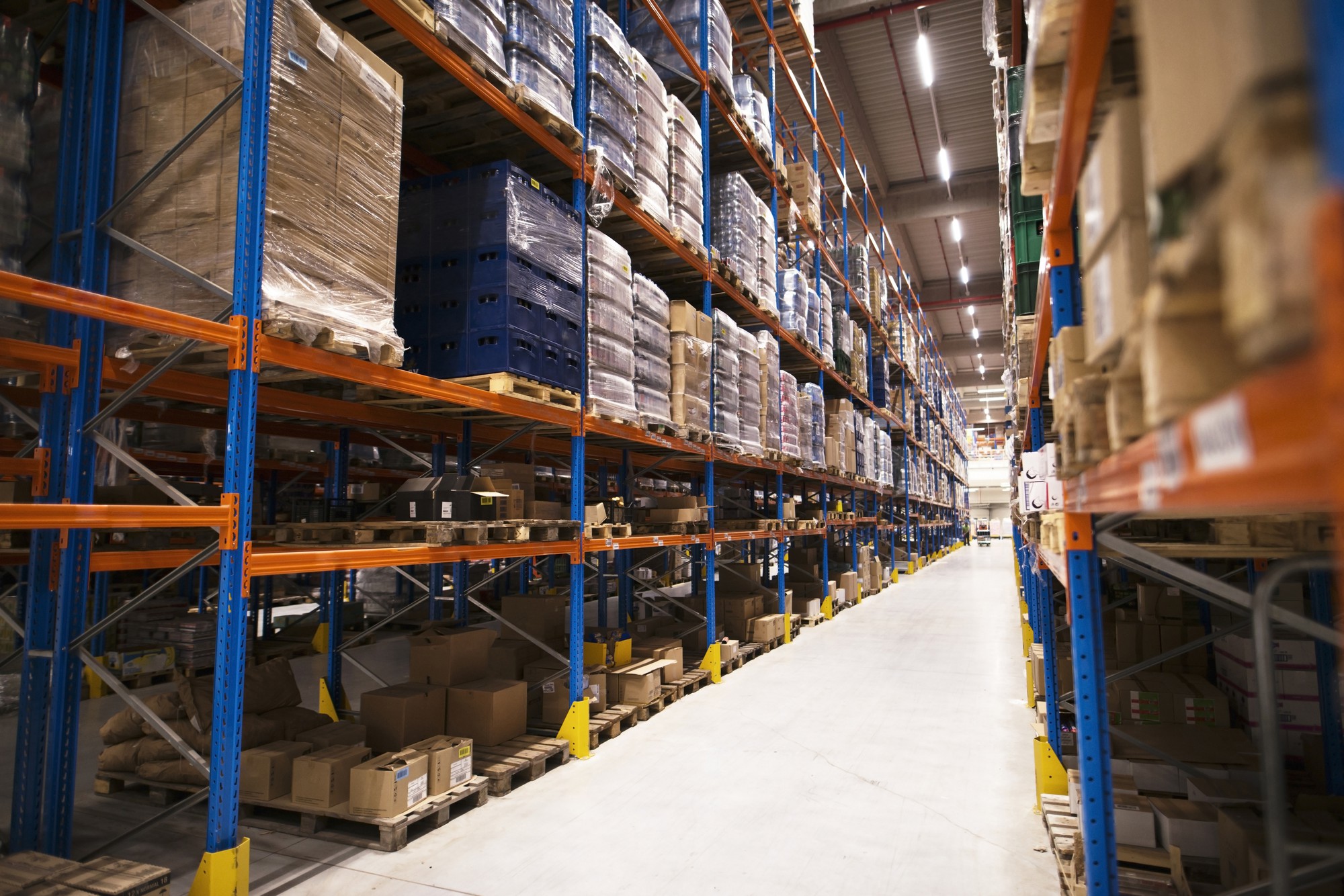

In the world of supply chain in manufacturing, efficient supply chain management (SCM) plays a vital role in reducing costs, optimising processes, and improving customer service. Supply chains are the critical link between raw materials and finished products, serving as the foundation of the manufacturing industry. They ensure seamless goods and services, helping manufacturers meet demand, maintain product quality, and deliver superior final products.
Fact Time
The global supply chain management (SCM) market was valued at USD 27.2 billion in 2022 and is expected to grow at a CAGR of 11.1% from 2023 to 2033, reaching an estimated value of USD 85.3 billion by the end of the forecast period.
The evolution of supply chain management in the manufacturing industry has been transformative—shifting from traditional, linear models to agile, tech-driven networks that embrace digital solutions and data analytics. Innovations like blockchain in supply chain management have revolutionised the sector by improving transparency, enhancing traceability, and reducing lead time, ultimately driving increased efficiencies and cost reductions.
The Carbon Connection:
Supply chains are directly linked to carbon emissions, especially in energy-intensive sectors like manufacturing. From sourcing raw materials to transportation, every stage of the global supply chain contributes to greenhouse gas (GHG) emissions. In fact, Scope 3 emissions—which include all indirect emissions from the supply chain—often represent the largest share of a company’s carbon footprint. This makes supply chain management a critical area for companies aiming to reduce their environmental impact and achieve net zero targets.
Did you know?
According to World Economic Forum, strategies like optimising inventory management, streamlining order fulfillment, and adopting blockchain technologies for transparent tracking can significantly lower emissions and promote sustainable supply chain practices
As the global supply chain grows more complex, businesses are increasingly adopting advanced supply chain management systems to stay competitive while addressing environmental concerns. Technologies like blockchain technologies offer unparalleled transparency and security, making it easier to manage the entire production cycle—from sourcing raw materials to order fulfillment—while minimising carbon footprints. Let's delve in;
Supply chain in the manufacturing industry is the complete journey from sourcing raw materials through production, warehousing, and distribution, culminating in the delivery of final products to the end customer.
It involves transforming raw materials into finished products and delivering them to end customers. It is a complex network that coordinates the flow of goods and services, information, and finances across various stages of production, ensuring efficiency, cost-effectiveness, and high product quality.
An effective manufacturing supply chain boosts operational efficiency, reduces costs, enhances lead time, and strengthens a company’s competitive edge within the global supply chain.
A well-structured supply chain in manufacturing is essential for improving efficiency, reducing costs, and delivering high-quality final products to customers. While many associate supply chain management (SCM) primarily with logistics and transportation, it involves a range of interconnected functions that optimise the entire production process. Here’s an in-depth look at the 7 core functions of supply chain management:
Definition: The process of sourcing and acquiring raw materials, components, and services needed for manufacturing.
Role in SCM: Efficient procurement ensures a steady supply of quality materials at the right time and price, directly affecting product quality and production timelines.
Best Practices:
Definition: Planning and managing production activities to ensure that manufacturing aligns with demand forecasts and resource availability.
Role in SCM: Strategic production planning optimises lead time, enhances the flow of goods, and ensures consistent product quality.
Best Practices:
Definition: The practice of managing raw materials, work-in-progress, and finished goods to balance supply and demand efficiently.
Role in SCM: Efficient inventory management reduces storage costs, prevents stockouts or overstocking, and supports smooth order fulfillment.
Best Practices:
Definition: Managing the transportation, warehousing, and distribution of goods across the global supply chain.
Role in SCM: This function ensures that goods move efficiently from suppliers to manufacturers and ultimately to end customers, optimising lead time and reducing transportation costs. Effective logistics and distribution strategies not only streamline operations but also play a significant role in minimising carbon emissions within the supply chain. Implementing sustainable logistics practices can help companies meet their environmental goals while improving overall efficiency.
As highlighted in blog on Supply Chain Emissions and Carbon Accounting Software, optimising logistics processes is essential for reducing a company's carbon footprint and enhancing transparency across the global supply chain.
Best Practices:
Definition: The process of maintaining quality by inspecting raw materials, monitoring the production process, and evaluating final products.
Role in SCM: Consistent product quality strengthens brand reputation, improves customer satisfaction, and reduces the cost of defects or recalls.
Best Practices:
Definition: Predicting future customer demand to ensure the supply chain meets market needs without overproducing.
Role in SCM: Accurate demand planning helps manufacturers align production and inventory levels, reducing waste and improving responsiveness to market fluctuations.
Best Practices:
Definition: Handling product returns, recycling, and disposal to recover value and minimise waste.
Role in SCM: Efficient returns management reduces losses from defective or unsold products while promoting sustainability through recycling and reuse.
Best Practices:
For more insights into how modern supply chains can improve efficiency and sustainability, explore SAP’s guide to sustainable supply chains.
Before we begin, did you know, that 71% of global companies highlight raw material costs as their number one supply chain threat for 2023?
Rising material prices, combined with global disruptions, are forcing manufacturers to rethink their supply chain management (SCM) strategies to remain competitive and resilient.
The global nature of modern supply chains makes them highly susceptible to external disruptions. Geopolitical tensions, trade wars, and natural disasters can cause significant delays, halt production, or even sever critical supply lines.
How to Mitigate
Fluctuating costs of raw materials and energy remain a significant concern for manufacturers. Increased demand, supply shortages, and inflation have driven up prices, affecting the overall cost of goods sold (COGS).
Higher material and energy costs directly increase production expenses, leading to narrower profit margins. For energy-intensive industries, such as metal manufacturing or automotive, spikes in fuel prices can significantly raise transportation and operational costs.
How to Mitigate
Many manufacturing supply chains still rely on outdated, manual processes for tasks such as inventory management, order fulfillment, and quality control. These manual workflows often result in data silos, human errors, and slow decision-making.
How to Mitigate
One of the most critical challenges in modern supply chains is the lack of visibility across the entire network. Without real-time data on inventory levels, shipping status, and supplier performance, manufacturers struggle to make informed decisions.
How to Mitigate
Efficient supply chain management (SCM) is crucial for streamlining operations, cutting costs, and enhancing product quality within the manufacturing industry. Modern supply chains, empowered by advanced technologies and data-driven strategies, do more than simply manage the flow of goods—they actively contribute to profitability, sustainability, and improved customer service.
Modern inventory management systems utilise real-time data and predictive analytics to optimise stock levels, helping manufacturers balance supply and demand without the risks of overstocking or stockouts. This leads to reduced storage costs, minimised waste, and improved order fulfilment rates.
Logistics and distribution play a pivotal role in ensuring a smooth flow of goods across the supply chain. Advanced logistics platforms now leverage AI and machine learning to optimise delivery routes, reduce fuel consumption, and lower transportation costs—all while improving lead time and enhancing customer satisfaction.
However, efficiency in logistics isn’t just about speed and cost—it’s also about sustainability.
This is where Mavarick steps in. While primarily known for its robust carbon accounting and supply chain emissions tracking,
For businesses looking to align logistics efficiency with sustainability goals, Mavarick offers the perfect balance between performance and environmental responsibility.
Blockchain technology is revolutionising supply chain management by offering end-to-end transparency and traceability. In industries such as food, pharmaceuticals, and manufacturing, blockchain ensures every stage of the production process is accurately recorded, reducing the risk of counterfeit goods and ensuring compliance with regulations.
Strong supplier relationships are essential for building agile and efficient supply chains. By fostering transparent communication and utilising shared data platforms, manufacturers can better coordinate with suppliers, reduce lead times, and quickly respond to market changes.
Sustainability has become a key focus for modern supply chains. Manufacturers are now using carbon accounting software to monitor greenhouse gas (GHG) emissions across their global supply chains, helping them reduce their environmental footprint while cutting costs.
Sustainable manufacturing isn’t just about the production process—it’s about the entire supply chain. From raw material sourcing to final product delivery, every stage impacts a company’s carbon footprint and environmental responsibility. A well-optimised supply chain in manufacturing can significantly drive sustainability efforts while improving efficiency and reducing operational costs.
Supply chains account for nearly 60% of global carbon emissions (McKinsey & Co.), making them a critical focus for sustainability initiatives. Manufacturers are increasingly turning to circular supply chain models that promote recycling, reuse, and waste reduction, shifting away from traditional linear supply chains.
Sustainable manufacturing starts with responsible sourcing. Ensuring that raw materials are ethically sourced not only supports ESG goals but also strengthens supply chain resilience.
Navigating complex environmental regulations is one of the most pressing challenges in modern supply chain management. From global carbon taxes to industry-specific mandates, staying compliant is essential for manufacturers aiming to avoid costly penalties.
Key Regulations:
Fact Check:
Non-compliance with the EU’s CBAM can result in fines of up to €50 per ton of unreported emissions (European Commission).
The rise of Industry 4.0 has revolutionised the traditional approach to supply chain management, giving birth to Supply Chain 4.0—a highly connected, agile, and data-driven ecosystem. This new era blends cutting-edge technologies like AI, IoT, Big Data, and blockchain to create smarter, faster, and more resilient supply chains.
Supply Chain 4.0 refers to the digital transformation of supply chains, where traditional linear models are replaced by integrated, real-time networks. By leveraging smart technologies, businesses can enhance efficiency, increase flexibility, and respond to market demands with greater agility.
Supply Chain 4.0 is not just a technological upgrade—it’s a strategic evolution that empowers businesses to be more resilient, sustainable, and competitive in a rapidly changing marketplace.
The manufacturing supply chain is undergoing significant transformations, driven by technological advancements, geopolitical shifts, and evolving market demands. Key trends shaping its future include:
Supply chains are no longer back-end operations; they are critical engines of growth, efficiency, and sustainability. From foundational processes to advanced digital strategies, the power of supply chains in manufacturing lies in their ability to adapt, innovate, and drive competitive advantage.
The key question is: Will your supply chain power your growth or hold you back?
AI-driven emissions reduction delivering smarter operations and proven savings.
.svg)
.svg)
.svg)
.svg)
AI-driven emissions reduction delivering smarter operations and proven savings.
.svg)